Short answer
DTG (direct-to-garment) sprays ink into the fabric, so it feels soft but looks slightly muted on dark tees. DTF (direct-to-film) prints the design onto a film and heat-presses it onto the tee, so colours stay bright and edges stay sharp on black, with a light layer you can feel. For bold graphics on black heavyweight oversized t-shirts, DTF is usually the better choice; for soft, faded-look prints on light cotton, DTG wins.
Two printed tees can share the same design and the same fabric and still look completely different after a month. The reason is usually the print method. Most product pages never say which one they use, and the ones that do assume you already know what DTF and DTG mean.
This guide explains both in plain language, compares them side by side, and shows you how to tell which one is on a tee in your hand. We print our oversized tees and Design Your Own orders with DTF, so we’ll also explain why, including the trade-offs.
What is DTG printing?
DTG (direct-to-garment) works like an inkjet printer for clothes. The tee is loaded flat into the printer and water-based ink is sprayed straight into the fibres. On a dark tee, the fabric is first coated with a pretreatment and the printer lays down a white base so the colours show up, then the print is heat-cured.
- Good at: very soft prints you can barely feel, photographic detail and gradients, especially on white or light cotton.
- Weaker at: deep, saturated colour on black, and synthetic or blended fabrics. Colours can look a little washed out on dark tees, and results depend heavily on the pretreatment.
What is DTF printing?
DTF (direct-to-film) prints the design onto a special PET film instead of the tee. A white layer goes down behind the colours, an adhesive powder is added, and the film is cured. That transfer is then heat-pressed onto the t-shirt and the film is peeled away, leaving the ink bonded to the fabric.
- Good at: bright, saturated colour and crisp edges on any colour of tee, including black; fine lines and small text; cotton, blends and synthetics.
- Weaker at: very large solid blocks of colour. Because the print sits on the surface, a big solid area can feel slightly smooth or stiff at first and breathes less than bare fabric. It softens with wear.
DTF vs DTG: side-by-side comparison
| DTF (direct-to-film) | DTG (direct-to-garment) | |
|---|---|---|
| How it works | Printed on film, heat-pressed onto the tee | Printed straight into the fabric |
| Colour on black tees | Bright and saturated | Can look slightly muted |
| Edges and fine text | Very sharp | Sharp, slightly softer |
| Feel | Thin, smooth layer you can feel | Almost no feel; part of the fabric |
| Breathability over large prints | Lower over big solid areas | Higher |
| Fabrics | Cotton, blends, polyester | Best on 100% cotton |
| Pretreatment of the tee | Not needed | Needed for dark tees |
| Durability | Many dozens of washes with proper care | Good, but can fade sooner on dark tees |
| Best for | Bold graphics, back prints, typography on dark tees | Soft, vintage-look or photo prints on light tees |
Durability for both depends on the inks, the press settings and how you wash the tee. Printers commonly quote 50 or more washes for a well-pressed DTF print that’s washed cold and inside out.
DTF vs DTG: which is best for oversized t-shirts?
Oversized t-shirts change the question in three ways:
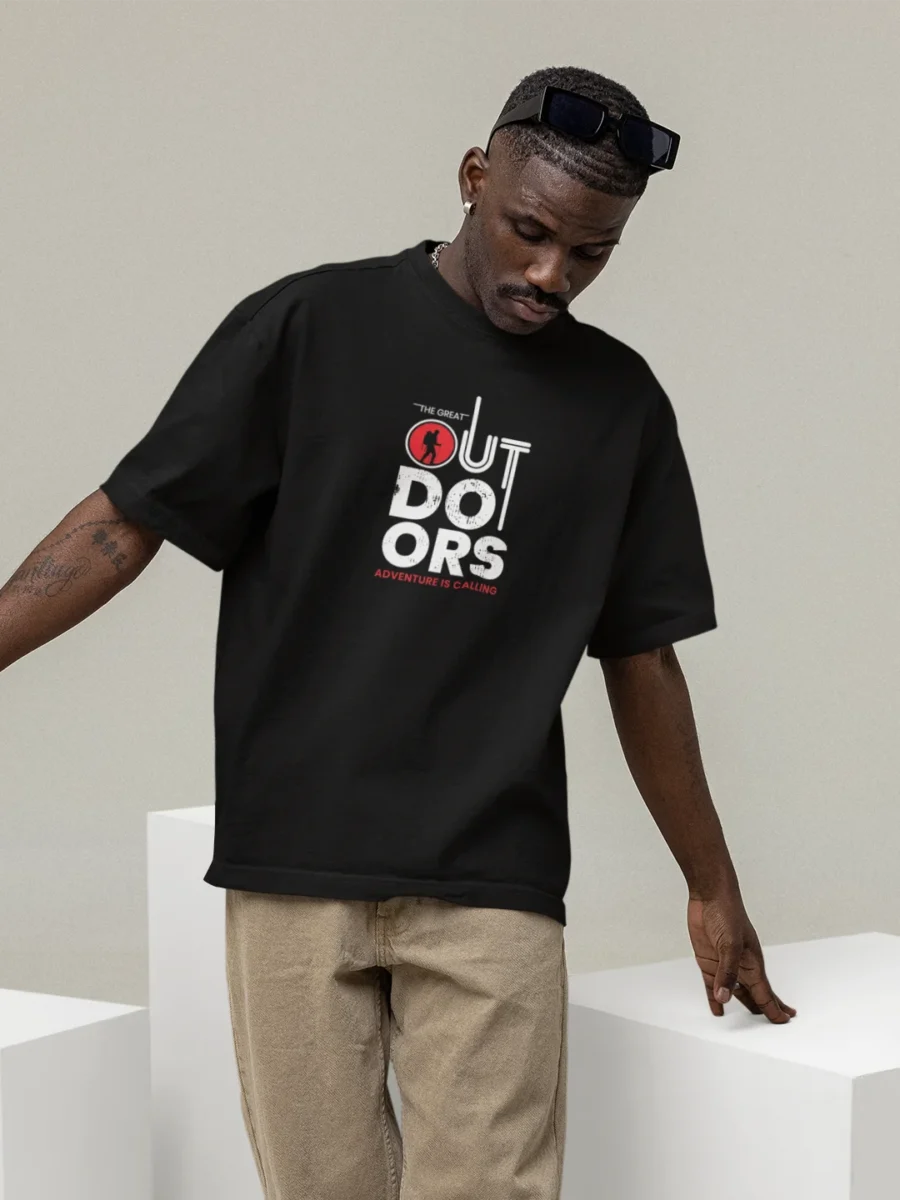
- They’re usually dark. Black oversized t-shirts are the most popular colour, and that’s where DTF has the clearest advantage in brightness.
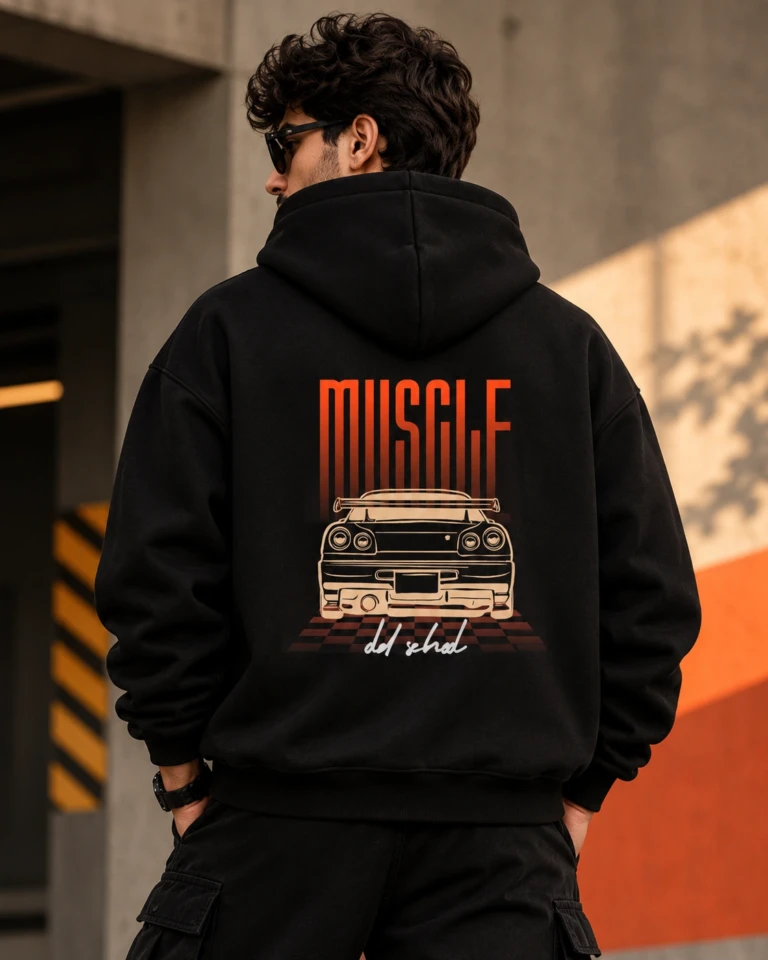
- The prints are big. A drop-shoulder oversized t-shirt has a wide, flat back panel made for large artwork. Big graphics with fine detail stay crisp with DTF; very large solid blocks are where DTG feels softer.
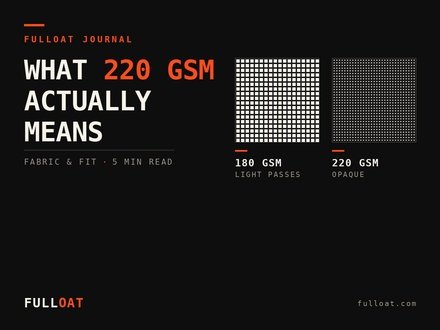
- The fabric is heavier. A 220 GSM tee is thick and stable, so a heat-pressed print bonds evenly and doesn’t pucker. Lighter fabric shows the edge of a transfer more. Here’s what 220 GSM means if you want the detail.
So for the classic streetwear oversized t-shirt, black with a bold graphic or back print, DTF is usually the stronger choice. For a pastel or white oversized tee with a soft, faded print, DTG can be lovely.
Why Fulloat uses DTF printing
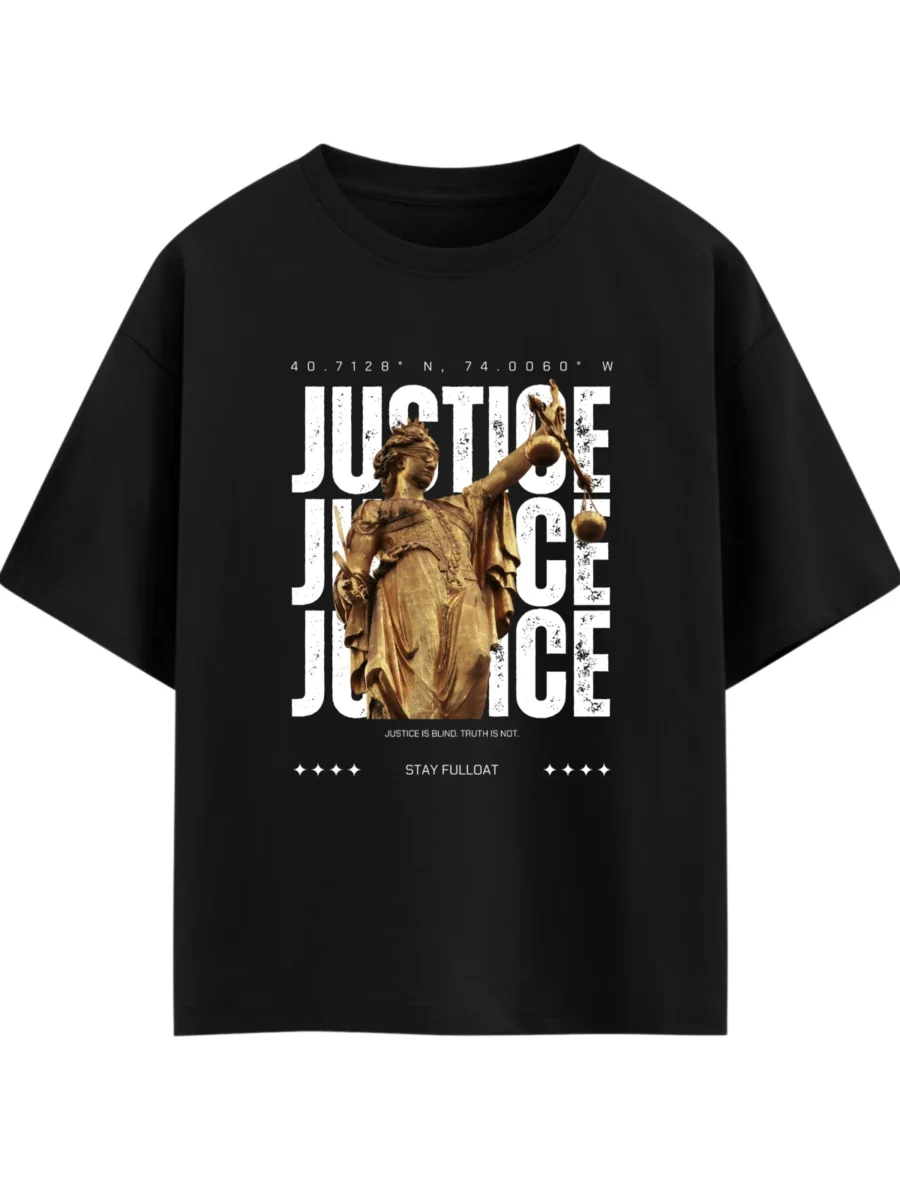
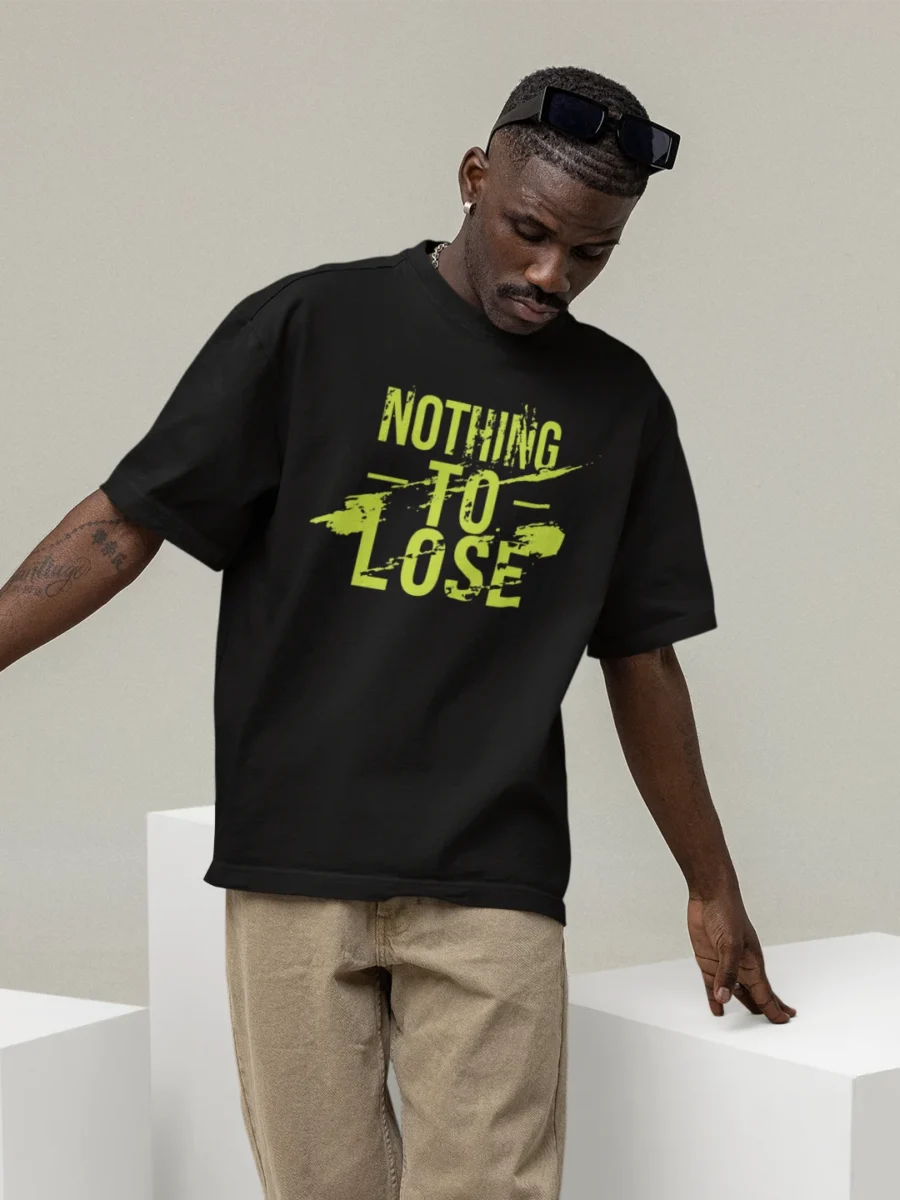
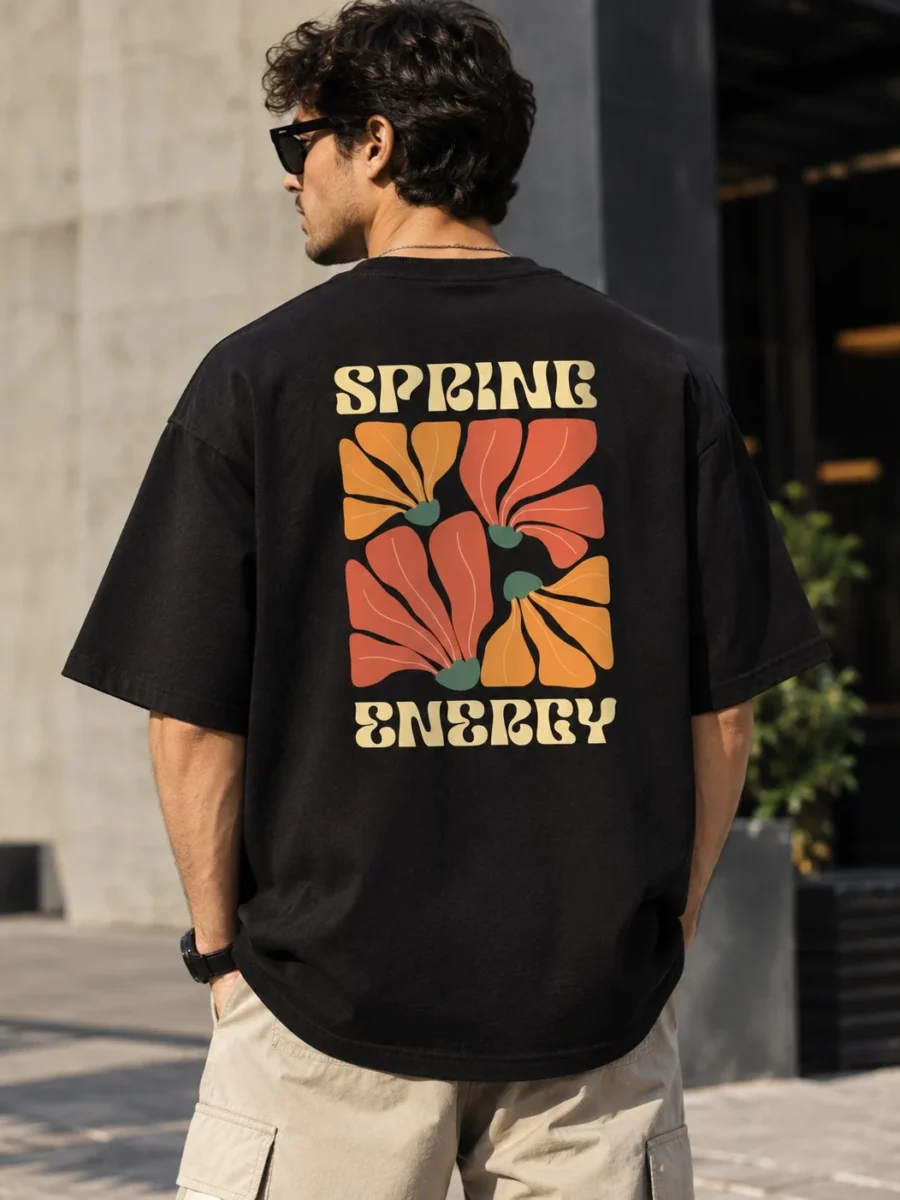
Most of our oversized t-shirts are black 220 GSM cotton with big artwork, so DTF fits what we make:
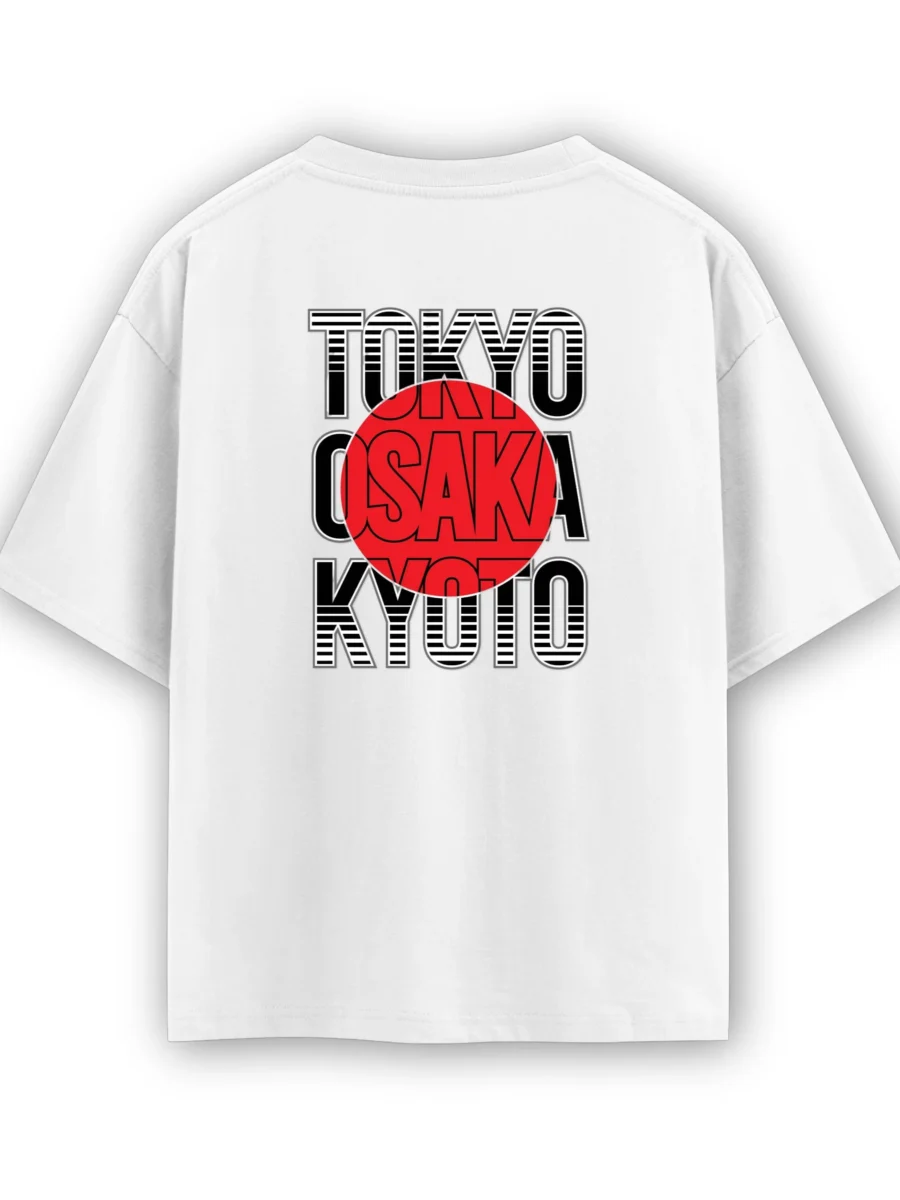
- Back prints stay crisp. Designs like the Off Grid back print and the Tokyo Osaka back print have fine detail across a large area.
- Lettering stays sharp. Typography tees like Be Strong and the Calligraphy back print rely on clean edges.
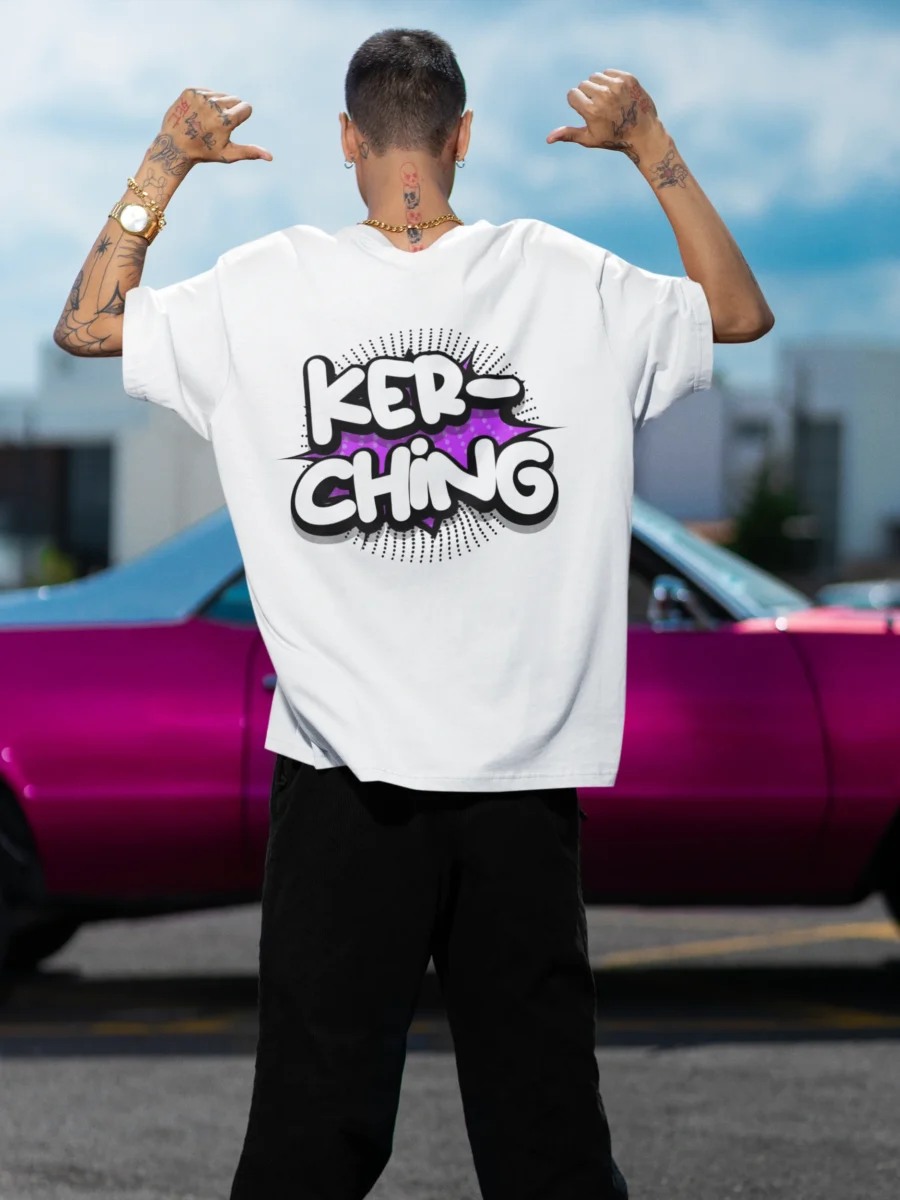
- Colour pops on black and white alike. The same method works on the white Kerching tee as on our black range.
- One-off custom prints are practical. Design Your Own orders are often a single tee, and DTF handles one-offs as well as a full run.
The honest trade-off: on a print with a large solid area, you’ll feel a thin smooth layer that softens over the first few washes. We think that’s worth it for colour that stays bright on black.
How to tell if a t-shirt is DTF or DTG
- Touch test. Run your fingers across the print. If you can feel a smooth layer with a slight edge, it’s DTF (or another transfer). If it feels the same as the fabric, it’s likely DTG.
- Inside test. Look at the inside of the tee behind the print. DTG ink often soaks slightly through on light fabric; DTF doesn’t.
- Black tee test. Bright, punchy colour on a black tee points to DTF or screen printing. Slightly faded, vintage-looking colour on black often means DTG.
- Stretch test. Gently stretch the printed area. A good DTF print stretches with the fabric without cracking; a cheap transfer will crack or lift at the edges.
What about screen printing?
Screen printing pushes thick ink through a mesh stencil, one colour at a time. It’s extremely durable and great value for big runs of simple designs with a few flat colours, but setting up a screen for every colour makes it impractical for detailed, many-colour artwork or one-off custom tees. That’s why many streetwear brands use DTF for detailed graphics and small drops.
How to care for a DTF printed t-shirt
- Turn it inside out before washing.
- Wash in cold water on a gentle cycle with mild detergent. No bleach.
- Dry in the shade, not in a hot tumble dryer.
- Never iron directly on the print. Iron inside out, or put a cloth over it.
Heat is what weakens any print, so cold water and shade drying do most of the work.
How to choose a printed oversized t-shirt
The print is only half of what makes the best oversized t-shirts look good. Before you buy, check these four things:
- Print method. DTF for bold colour on black; DTG for soft prints on light cotton.
- Fabric weight. 200–240 GSM cotton holds a large print flat without puckering.
- A real oversized cut. Use the size chart to check the shoulder actually drops; our guide on how an oversized t-shirt should fit shows each fit point.
- Print placement. Back prints suit the wide back panel of an oversized tee; small chest prints get lost.
Our full guide to the best oversized t-shirts turns these into a checklist you can use on any brand’s product page.
Frequently asked questions
Is DTF better than DTG?
For bold, colourful designs on dark tees, yes, usually: DTF gives brighter colour and sharper edges. For soft prints on light cotton, DTG is better because you can barely feel it.
Does DTF printing crack or peel?
A properly pressed DTF print shouldn’t. Cracking and peeling usually come from low-quality film or adhesive, wrong press settings, or washing and drying on high heat.
How long does a DTF print last?
With cold, inside-out washing and shade drying, a good DTF print commonly lasts 50 or more washes before noticeable fading.
Is DTF printing breathable?
The fabric around and behind the design still breathes, but a large solid area of DTF print breathes less than bare cotton. On a loose oversized tee you rarely notice it, because air moves freely under the fabric.
What is the best print method for oversized t-shirts?
For black or dark oversized t-shirts with bold graphics and back prints, DTF usually gives the brightest colour and sharpest detail. For light-coloured oversized tees with soft, vintage-style prints, DTG is a good choice.
Which printing does Fulloat use?
DTF, on our 220 GSM cotton oversized tees and on custom Design Your Own orders.
Neither method is best everywhere. DTG is the soft touch for light tees; DTF is the bright, sharp choice for bold graphics on dark, heavyweight cotton. If you want to see what that looks like on an oversized cut, browse our best oversized t-shirt picks or the full oversized collection.